
Canyon Country Local
5.0 from 1 Google reviewsDuct Repair in Canyon Country
Airflow that actually reaches living spaces, not your attic.
Call or text (888) 960-6003Request an estimate
Tell us what you need
Canyon Country Duct Repair That Fixes the Problem
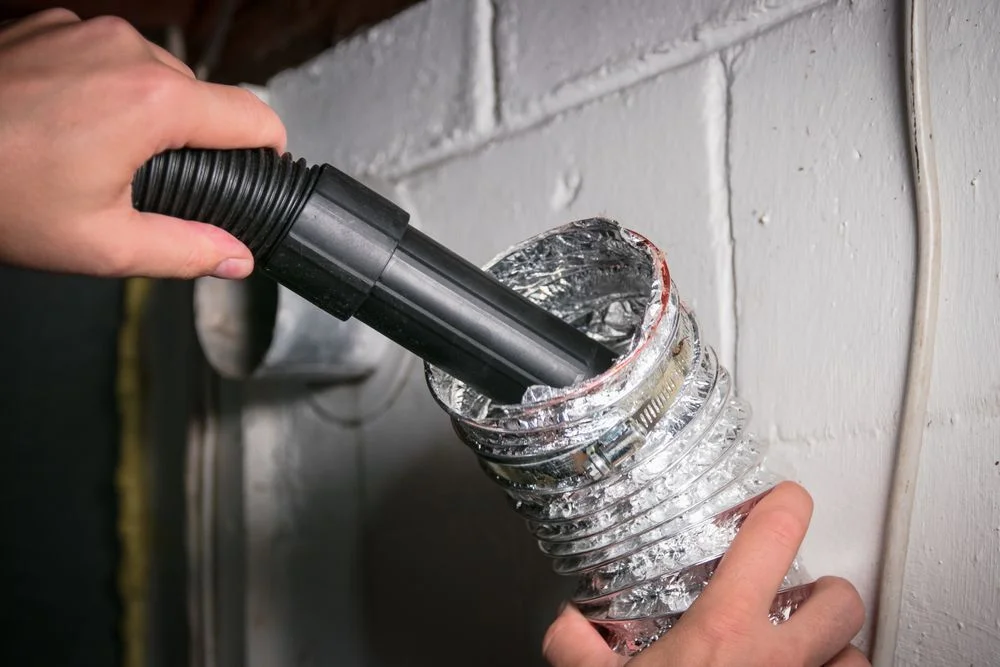
Duct repair in Canyon Country is exactly what Stay Cool Air Conditioning & Heating, Inc. provides for homeowners dealing with leaking or disconnected ductwork that wastes conditioned air before it reaches the rooms you're trying to heat or cool. Gaps at seams, holes from pests or deterioration, and poorly sealed connections allow air to escape into attics, crawlspaces, and wall cavities, forcing your HVAC system to run longer cycles to maintain temperature. If you're seeing uneven room temperatures, unusually high energy bills, or dusty vents, your ducts are worth inspecting before the problem compounds. Call (888) 960-6003 to schedule a duct inspection with owner David Medina, who holds CA HVAC contractor license #1036487.
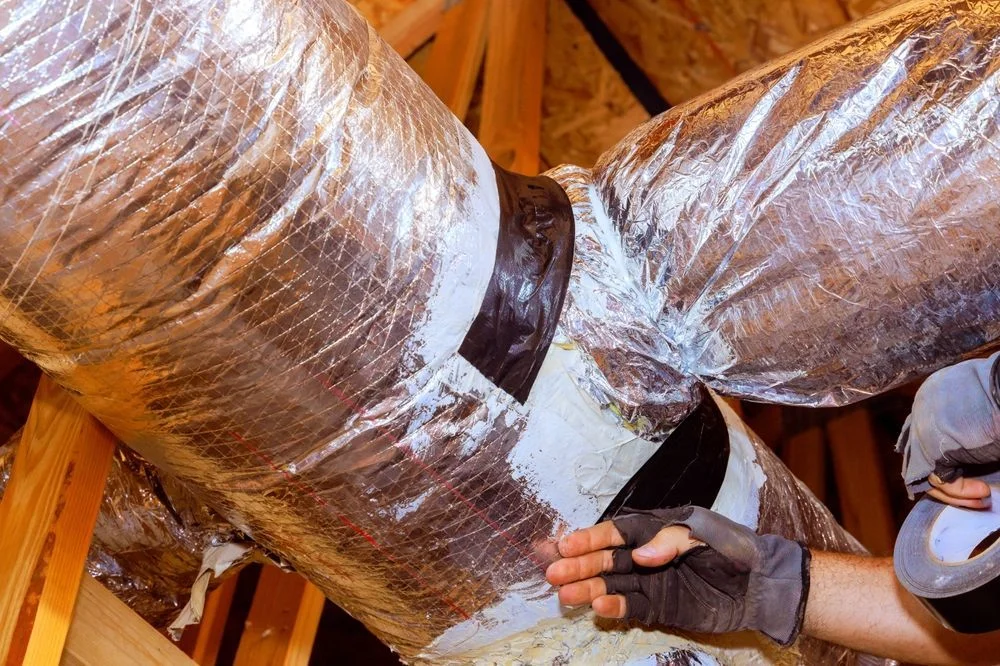
Duct repair work involves locating leaks through visual inspection or static pressure testing, sealing gaps with mastic or metal-backed tape, reattaching disconnected sections, and replacing damaged duct segments that can't be effectively sealed. Insulation repairs around ducts in unconditioned spaces reduce heat gain or loss along the air delivery path. What drives the scope of work: how many failure points exist, whether the ductwork is rigid metal or flexible, how accessible the runs are in your attic or crawlspace, and the condition of existing insulation. Duct repairs do not address undersized ductwork or poor original design, which require modifications beyond sealing and patching. Every job is different. Contact Stay Cool Air Conditioning and Heating for an accurate estimate.
What Duct Repair in Canyon Country Actually Involves
Three symptoms that point to leaking ductwork, not an equipment problem.
- Rooms that never reach comfortable temperatures despite the system running
- Excessive dust near vents or higher-than-expected utility bills
- Whistling or hissing sounds from ductwork during operation
- Visual inspection and static pressure testing to locate and quantify leaks
- Sealing with mastic sealant or metal-backed foil tape, not cloth duct tape

What Proper Duct Repair Requires
Why Ducts Fail
How Canyon Country's Climate Breaks Down Ductwork
Local conditions accelerate duct wear in ways milder climates don't.
Extreme Attic Heat
Attics in this region regularly exceed 130 degrees during summer. Uninsulated or poorly insulated ducts allow heat to transfer into cool air traveling to living spaces, reducing system efficiency and forcing longer run times. That heat also degrades mastic sealant and stresses every seam.
Thermal Expansion and Contraction
Canyon Country's temperature swings between summer highs and winter nights stress duct seams and connections repeatedly over time. Metal ducts expand and contract with every cycle, and older seams that were never properly sealed eventually open up.
Pest Damage
Pests chew through flexible ducts and insulation, especially in attic runs where activity goes undetected for years. A single rodent intrusion can compromise multiple duct sections and pull unfiltered attic air directly into your living spaces.
Deteriorating Sealants
Older homes with original ductwork often have multiple failure points where mastic sealant has lost adhesion or cloth tape (which building codes now prohibit for permanent sealing) has dried and cracked. These aren't visible from a register, they require a pressure test to find.
The Repair Process
How a Duct Inspection and Repair Works
Inspect and Test
David checks static pressure in the duct system to quantify leakage, inspects connections at registers and plenums, and traces flexible duct runs for kinks, compression, or damage from pests.
Seal and Secure
Rigid metal ducts get mastic sealant and sheet metal screws. Flexible ducts get proper support and secure collar connections. Metal-backed foil tape rated for HVAC use where needed. No cloth duct tape, ever.
Verify and Insulate
After sealing, airflow measurements confirm the repair held. Insulation around ducts in unconditioned spaces gets checked and repaired so heat gain in that 130-degree attic doesn't undo what the sealing fixed. For related indoor air quality concerns, those get flagged during the same visit.
Why Canyon Country Homeowners Call Stay Cool
One licensed contractor, every step of the job.
- CA License #1036487
- C-20 Warm-Air Heating, Ventilating and Air-Conditioning, verifiable on the CSLB site
- Owner on the job
- David Medina diagnoses and repairs. You're not talking to a dispatcher who routes a stranger
- Correct materials only
- Mastic sealant and metal-backed tape, the two materials that actually hold in a 130-degree attic
- Full HVAC scope
- Duct issues that connect to your furnace, AC or ventilation get addressed in the same call, not punted to a second contractor
Answers to Frequent Duct Repair Questions
Duct problems often go unnoticed until energy bills climb or comfort issues become persistent.
How do I know if my ducts are leaking?
What causes ducts to develop leaks over time?
Can duct tape actually seal ductwork?
Why does duct insulation matter so much in Canyon Country?
How long do duct repairs typically last?
Can AC ducts be repaired, or do they need full replacement?
How often should residential ductwork be inspected?
In the field
A look at our work
Schedule a Duct Inspection in Canyon Country
If your rooms aren't reaching temperature or your bills have climbed without a clear reason, the ducts are worth checking before you replace equipment that may not be the problem.
Related
Next step
Tell us about the job
Your name, your number and what needs doing. A person from Stay Cool Air Conditioning and Heating gets back to you.
Rather talk now?(888) 960-6003
★★★★★
The owner David came over and installed the air conditioning and furnace in record time, 4 hours. This was during a heat wave. He and his crew were professional and courteous. They are a great family run business 😊.