
Canyon Country Local
5.0 from 1 Google reviewsHVAC Duct Installation in Canyon Country
New duct systems sized and installed for the Santa Clarita Valley's heat by CA-licensed contractor David Medina.
Call or text (888) 960-6003Request an estimate
Tell us what you need
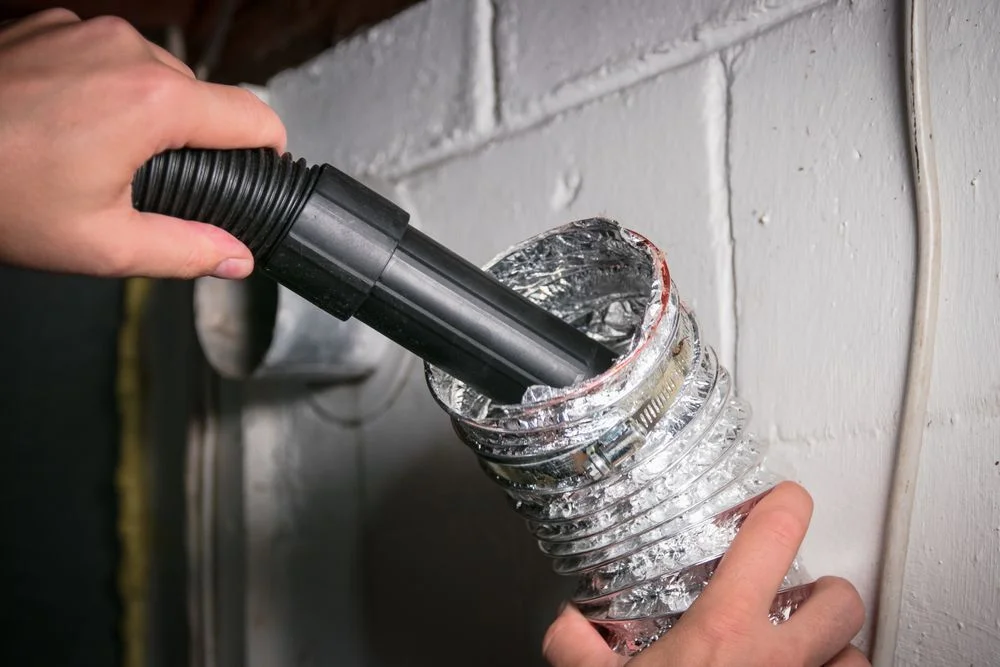
Duct Installation Built for Canyon Country Homes
Stay Cool Air Conditioning and Heating handles HVAC duct installation in Canyon Country for homeowners who need a new system routed right the first time. When your existing ducts are beyond patching, or you're adding a room, finishing a garage, or simply dealing with rooms that never got comfortable, a properly designed duct system makes the difference. CA license #1036487 backs every job. Call (888) 960-6003 and David will walk you through what your home actually needs.
Duct installation cost varies more than most homeowners expect. The big drivers: square footage, how many supply and return runs the layout requires, the R-value of insulation needed for SCV summers (the valley regularly pushes past 100 degrees and that heat loads into unconditioned attic spaces fast), and whether the existing air handler location gives us clean routing paths or forces longer, more complex runs. Flex duct, rigid sheet metal, and hybrid systems each have a place depending on the layout. We assess what's there, design a system sized to match your equipment, and install to code. Every job is different. Contact Stay Cool Air Conditioning and Heating for an accurate estimate.
What HVAC Duct Installation Covers
- Full duct system design and layout based on your home's square footage and equipment
- Supply and return runs in flex duct, rigid metal, or a combination of both
- Proper R-value insulation for attic-routed duct in Canyon Country's heat
- Connection to existing air handler, furnace, or new HVAC equipment
- Post-installation airflow check to confirm balanced delivery room by room

Common Situations
When a New Duct System Makes Sense
Not every ductwork problem calls for full replacement. Here's when it usually does.
Ducts Are Over 20 Years Old
Flex duct inner liners crack and collapse over time. Older systems often run undersized by today's Manual D standards, meaning your current equipment works harder than it should. If the duct repair math doesn't pencil out, replacement is the cleaner fix.
New HVAC Equipment Was Just Installed
A high-efficiency system tied into old, leaky ducts loses a large share of its rated output before the air reaches any room. If you're doing an air conditioner replacement or furnace replacement, it's worth evaluating the duct system at the same time.
Room Addition or ADU
Garage conversions and room additions are common in the Santa Clarita Valley. Adding square footage to an existing system without resizing the duct network almost always produces hot spots or pressure imbalance in the new space.
Rooms That Won't Cool or Heat
Consistently uncomfortable rooms usually trace back to undersized runs, collapsed flex sections, or supply registers that were placed without regard to the room's load. A proper layout fixes what filters and thermostat adjustments never will.
What We Look At First
The Inspection Before Any Installation
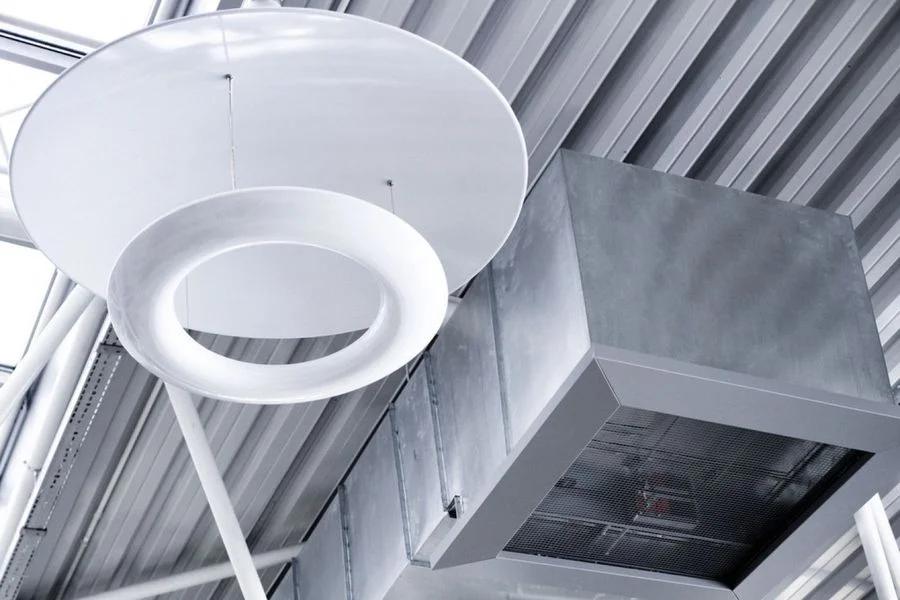
How the Installation Process Works
Design and Layout
We size every run to the room's load and the equipment's capacity. The layout follows the shortest viable path from the air handler to each register, keeping velocity inside the range that delivers air without noise.
Installation and Connection
Supply runs, return runs, plenums, and boots are installed in sequence. All duct seams are sealed with mastic. Insulation is applied to meet code for attic-routed sections. We connect to the air handler and seal the plenum.
Airflow Test and Sign-Off
Once everything is connected, we test static pressure and check airflow at each register. If a room is under-delivering, we find out now, not three months from now when you call back in July.
Why Homeowners Call David Directly
One licensed contractor, one point of contact, every step of the job.
- CA License #1036487
- C-20 Warm-Air Heating, Ventilating and Air-Conditioning
- Owner on the job
- David Medina handles the work, not a subcontractor
- 5-star Google rating
- Verified by 1 Google review
- Serving the SCV since 2018
- Backed by 25+ years of industry experience
Duct Installation Questions, Answered
How much does HVAC duct installation cost?
What is the duct 2-foot rule?
Should I replace 20-year-old ductwork?
Can I replace ductwork in my existing home without major construction?
How does Canyon Country's heat affect duct insulation requirements?
How often should ductwork be replaced in a house?
How does Canyon Country's heat affect duct insulation needs?
Is it hard to replace ductwork in a house?
In the field
A look at our work
Get Your Duct System Assessed
Call (888) 960-6003 and talk directly to David. No dispatcher, no runaround. We'll tell you what your home needs and what it doesn't.
Related
Next step
Tell us about the job
Your name, your number and what needs doing. A person from Stay Cool Air Conditioning and Heating gets back to you.
Rather talk now?(888) 960-6003
★★★★★
The owner David came over and installed the air conditioning and furnace in record time, 4 hours. This was during a heat wave. He and his crew were professional and courteous. They are a great family run business 😊.