
5.0 on Google Canyon Country (888) 960-6003
Air Conditioning Services in Los Angeles County, CA

Canyon Country Local

5.0 from 1 Google reviews

Air Conditioning Services in Los Angeles County, CA

Installation, repair, and replacement from a licensed C-20 contractor serving the Los Angeles County area.

Call or text (888) 960-6003

Request an estimate

Tell us what you need
No obligation


By submitting this form you agree that we may contact you about your request and share your name and email address with partner companies for email marketing. We never share your mobile number or text message consent with third parties or affiliates for marketing or promotional purposes.

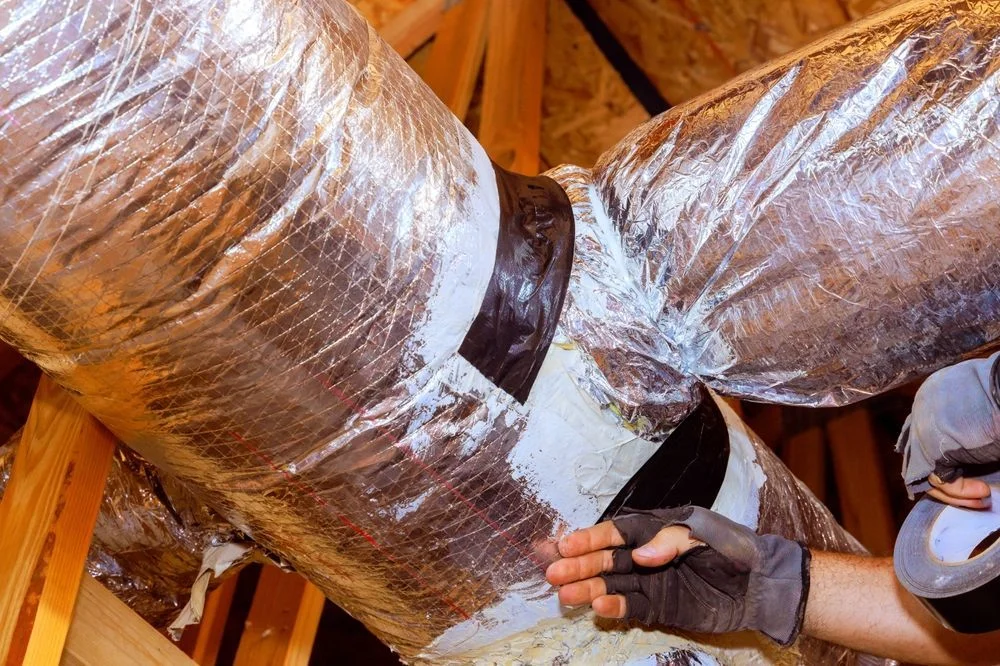
Ductwork insulation being wrapped with reflective aluminum foil during installation.

Staying Comfortable During Los Angeles County Heat Waves

Air Conditioning Services in Los Angeles County, CA include installation, repair, and replacement to address cooling capacity issues, refrigerant problems, and system failures that leave properties uncomfortable during summer heat waves. Stay Cool Air Conditioning and Heating is a licensed California C-20 contractor (license #1036487), owner-operated by David Michael Medina, and rated 5 stars on Google. Call (888) 960-6003 to schedule AC repair or a full system assessment.

Los Angeles County's housing stock skews older, with the median construction year around 1978 and over 82% of homes in the City of Ventura built before 1990. That means a lot of systems running past their useful life, ductwork that was never sized right, and equipment that simply wasn't built for today's efficiency standards. New HVAC installations, like-for-like replacements, and ductwork modifications in Los Angeles County all require a mechanical permit from the Los Angeles County Building and Safety Division, and California's Title 24 Energy Code mandates that new systems meet current efficiency standards with compliance documentation submitted at permit time. A certified HERS rater must also perform duct leakage testing, airflow verification, and refrigerant charge verification before the county signs off. We handle the work correctly so the inspection passes the first time.

What Air Conditioning Services Cover in Los Angeles County

  • Installation, replacement, and repair of central AC systems and ductless mini-splits
  • Refrigerant leak detection and recharge by EPA-certified technician
  • Load calculations to properly size equipment for your home's square footage and sun exposure
  • Permit coordination with the Los Angeles County Building and Safety Division
  • HERS-required duct leakage testing and airflow verification for new installs
  • Seasonal maintenance and coil cleaning to handle coastal humidity demands
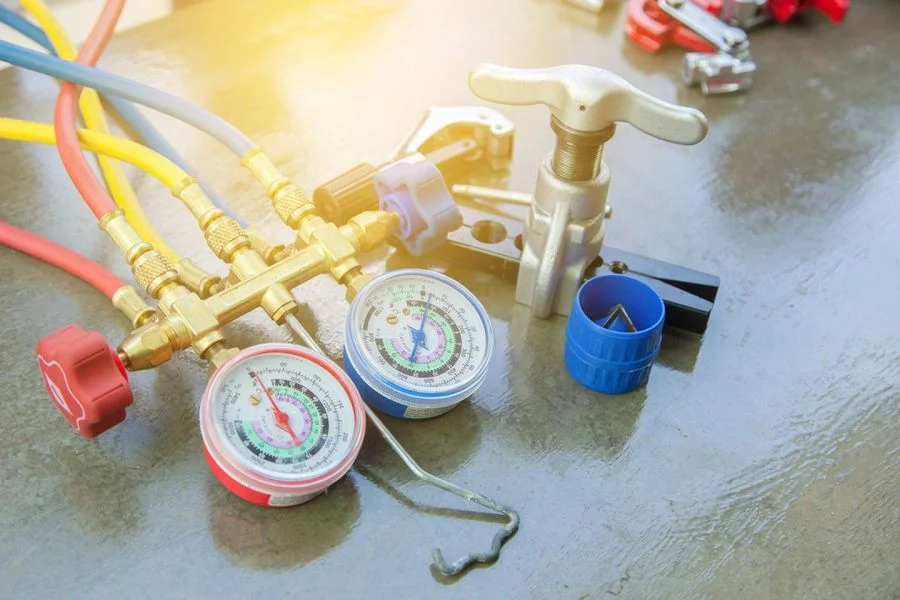
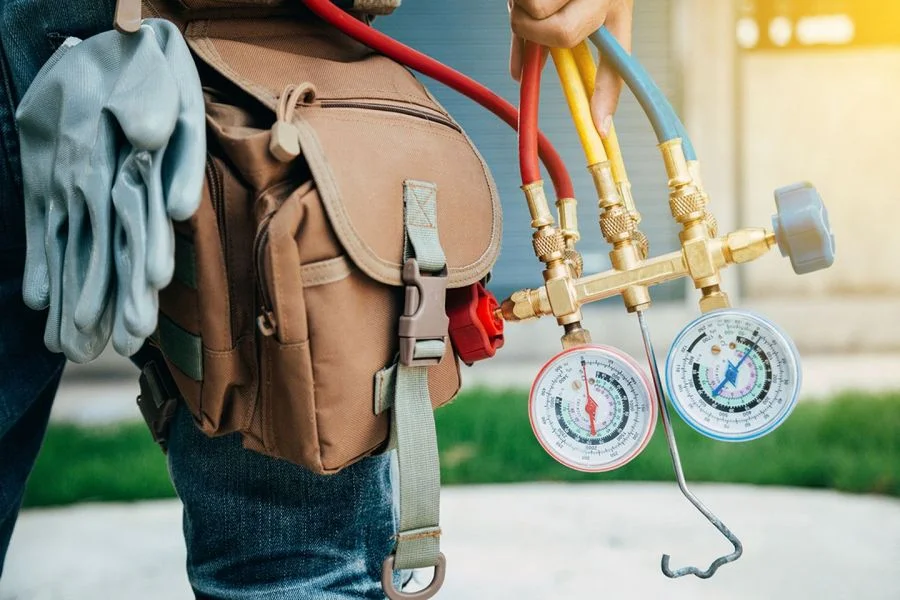
Refrigerant manifold gauges and brass hose couplings displayed on a work surface during an HVAC service setup.

When Your AC Needs Replacement

Frequent repairs and rising bills are the clearest signals. Here's what to watch for.

Multiple Repairs in One Season

Air conditioners requiring multiple repairs within a single season often have compressor or coil failures that cost nearly as much as new equipment. At that point, replacement makes more financial sense than chasing individual parts.

System Age Past 12-15 Years

Systems older than 12-15 years lack the efficiency of modern units. Replacement can reduce cooling costs by 20-40% and provides the opportunity to upgrade to a high-efficiency model with a SEER rating above 16.

Rising Energy Bills

Rising energy bills despite regular HVAC maintenance indicate declining efficiency from worn components and outdated technology. The trend doesn't reverse on its own.

Uneven Cooling

Uneven cooling with hot spots in certain rooms suggests inadequate capacity or duct issues that new, properly sized systems can address. Undersized units run continuously without reaching set temperatures, causing excessive wear and high energy consumption.

Cooling Capacity Problems Specific to Los Angeles County Homes
Undersized systems, duct leaks, and inadequate insulation prevent air conditioners from maintaining comfortable temperatures during extended heat waves. Undersized units run continuously without reaching set temperatures, causing excessive wear and high energy consumption. Duct leaks allow conditioned air to escape into attics or crawl spaces, reducing airflow to living areas and forcing your system to work harder. Inadequate insulation lets heat penetrate your home faster than your air conditioner can remove it, creating uncomfortable conditions and strain on equipment. Proper load calculations during installation ensure your system matches your home's cooling needs based on square footage, insulation, and sun exposure. Addressing these issues during air conditioning service restores comfort and prevents premature system failure. For homes with damaged or aging ductwork, HVAC ducting installation often makes a bigger difference than replacing the equipment itself.
A cartoon logo and mascot for Stay Cool Air Conditioning & Heating Inc., showing a stylized character relaxing in a beach chair with a cold drink.

Refrigerant Problems and Why They Can't Wait

Low refrigerant levels from leaks or improper charging impair heat transfer, causing longer run times, higher energy bills, and potential compressor damage. Refrigerant absorbs heat from indoor air and releases it outside, and insufficient levels prevent proper heat exchange. Ice buildup on evaporator coils signals low refrigerant, as reduced pressure causes moisture to freeze and block airflow. Repairing leaks and recharging refrigerant restores cooling capacity, allowing your system to reach set temperatures efficiently. EPA regulations require certified technicians to handle refrigerant, ensuring proper recovery, recycling, and disposal. Ignoring refrigerant problems leads to compressor failure, the most expensive repair your air conditioning system can require.

Efficiency Upgrades

AC Upgrades That Lower Your Energy Bills

These improvements pair well with any new installation or major repair.

High-Efficiency Units (SEER 16+)

High-efficiency units with SEER ratings above 16 reduce energy consumption while maintaining consistent comfort, and they can cut cooling costs by 20-40% compared to aging equipment.

Variable-Speed Compressors

Variable-speed compressors adjust output to match cooling demand, avoiding the energy waste of constant on-off cycling that shortens equipment life.

Smart Thermostats

Smart thermostats learn your schedule and adjust temperatures automatically, reducing cooling when you're away and pre-cooling before you return. Clean Power Alliance offers rebate programs in Los Angeles County for qualifying upgrades.

High-Efficiency Air Cleaners

A high efficiency air cleaner integrated with your AC system removes dust and allergens, improving indoor air quality without restricting airflow.

Duct Sealing and Insulation

Sealing and insulating ductwork prevents conditioned air loss, ensuring your system delivers cooling efficiently to every room. Unaddressed duct leaks can waste a substantial portion of your system's output before air reaches the living space.

Coastal Climate

How Los Angeles County's Humidity Affects Your AC
Higher humidity levels near the coast require air conditioners to work harder to dehumidify air, increasing energy consumption and reducing comfort if systems are undersized or poorly maintained. Humid air feels warmer than dry air at the same temperature, making your home uncomfortable even when your thermostat shows the desired setting. Air conditioners remove moisture as they cool, but dirty coils and clogged drains reduce dehumidification capacity. Proper system sizing and regular coil cleaning ensure your air conditioner handles both temperature and humidity effectively. Homeowners in Los Angeles County should prioritize providers experienced with coastal climate challenges and equipped to address humidity-related issues. Maintaining proper dehumidification prevents mold growth, musty odors, and discomfort that persist even when temperatures are controlled. Pairing your AC with a whole house air treatment system can address moisture and air quality together.
HVAC technician checking refrigerant manifold gauges during a service call

AC Permits Required in Los Angeles County

Skipping a permit is not a shortcut. It's a liability that follows the property.

When a Permit Is Required

Los Angeles County requires mechanical permits for new AC installations, like-for-like system replacements, and ductwork modifications. This applies to new installs, like-for-like replacements, and ductwork modifications.

What Inspectors Check

Permit inspections verify refrigerant lines are properly sealed, electrical connections meet National Electrical Code standards, and condensate drains route correctly to prevent water damage.

Title 24 and HERS Requirements

California's Title 24 Energy Code mandates efficiency standards for new systems, and compliance documentation must be submitted with the permit application. A certified third-party HERS rater must perform duct leakage testing, airflow verification, and refrigerant charge verification.

Why Unpermitted Work Hurts You

Contractors must pull permits before starting work. Unpermitted installations can result in fines and complicate future property sales. Permit approval confirms your installation meets safety codes and environmental regulations specific to Los Angeles County.

Questions About AC Services in Los Angeles County

Do I need a permit to install an air conditioner in Los Angeles County?
Yes. New AC installations, like-for-like system replacements, and ductwork modifications in Los Angeles County all require a mechanical permit from the Los Angeles County Building and Safety Division. California's Title 24 Energy Code also requires efficiency compliance documentation submitted with the permit application, and a certified HERS rater must verify duct leakage, airflow, and refrigerant charge before the county issues final approval.
How often should I service my AC in Los Angeles County?
Annual maintenance is the minimum for any central AC system. In coastal areas with higher humidity, coil cleaning and drain checks matter more than they do in drier climates. If your system runs hard through summer heat waves, a pre-season checkup in spring and a quick inspection in fall keeps things running efficiently. See air conditioner maintenance for what a full tune-up covers.
What's the best AC system for a Los Angeles County home built before 1990?
It depends on what ductwork is already there and how well it's sealed. Homes from the 1970s and early 1980s often have undersized or leaking ducts that waste as much energy as old equipment. A ductless mini-split can be a practical choice for homes where duct repairs would be extensive. For homes with sound ductwork, a properly sized high-efficiency central system with a SEER rating above 16 is usually the right answer.
What's the difference between a heat pump and a traditional AC?
A traditional AC only cools. A heat pump moves heat in both directions, cooling in summer and heating in winter, making it a single system for year-round comfort. In Los Angeles County's mild winters, a heat pump handles heating efficiently without a separate furnace. Clean Power Alliance, one of Los Angeles County's electricity providers, offers rebates for qualifying heat pump installations through its Skilled and Trained Heat Pump HVAC Community Rebate Program.
How do I know if my AC is undersized for a Los Angeles County heat wave?
If your system runs continuously for hours during a heat wave but can't pull the indoor temperature down to the thermostat setting, it's likely undersized or losing conditioned air to duct leaks. A proper load calculation accounts for square footage, insulation quality, window area, and sun exposure. Guessing on equipment size is one of the most common and expensive mistakes in an HVAC installation.
Can dirty coils really affect humidity control?
Yes, and it's one of the most overlooked problems in coastal climates. Dirty evaporator coils lose their ability to pull moisture out of the air effectively, so the system cools the temperature but leaves the air feeling damp and stuffy. Regular coil cleaning during annual maintenance keeps dehumidification capacity where it should be.
What are the new California laws about air conditioning?
California's Title 24 Energy Code sets minimum efficiency standards for new HVAC equipment, and those standards have been updated to require higher SEER ratings on new installations than were required a decade ago. Any new system installed in Los Angeles County must meet current Title 24 requirements, with compliance documentation submitted at permit time. Contact Stay Cool at (888) 960-6003 for specifics on how this applies to your home.
How cool should my house be if it's 100 degrees outside?
A properly sized and maintained AC system can typically maintain indoor temperatures 20 to 25 degrees below outdoor temperatures, so around 75 to 80 degrees when it's 100 outside. If your system can't hold that range during a heat wave, the most common causes are low refrigerant, dirty coils, duct leaks, or an undersized unit. Any of those are fixable. Waiting until the system quits entirely usually means a more expensive repair.
Can dirty coils really affect humidity control in a coastal climate?
Yes, and it's one of the most overlooked problems in coastal climates. Dirty evaporator coils lose their ability to pull moisture out of the air effectively, so the system cools the temperature but leaves the air feeling damp and stuffy. Regular coil cleaning during annual maintenance keeps dehumidification capacity where it should be.

Schedule AC Service in Los Angeles County

One call reaches the owner directly.

Related

Next step

Tell us about the job

Your name, your number and what needs doing. A person from Stay Cool Air Conditioning and Heating gets back to you.

Rather talk now?(888) 960-6003

★★★★★

The owner David came over and installed the air conditioning and furnace in record time, 4 hours. This was during a heat wave. He and his crew were professional and courteous. They are a great family run business 😊.
Denise S., Google review

No obligation


By submitting this form you agree that we may contact you about your request and share your name and email address with partner companies for email marketing. We never share your mobile number or text message consent with third parties or affiliates for marketing or promotional purposes.